Dentist Well-Being: The Cost I Stopped Calling Normal
Nov 04, 2026
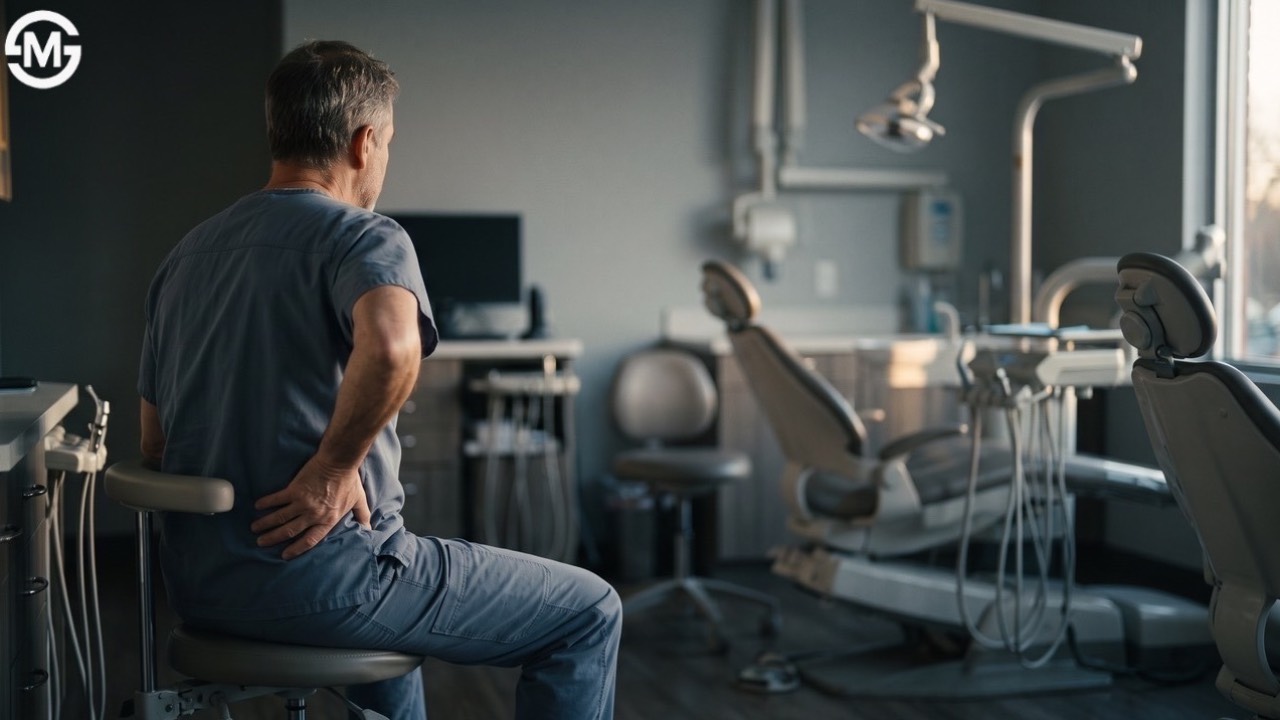
For years, I could look at a three-hour procedure and know exactly what the patient needed. What I could not ignore was how my back would feel while I was doing it.
I loved the work. I could complete it. Yet there was a familiar thought before another long appointment: I have to get through this again.
That is an uncomfortable place to be in a profession you care deeply about. It also raises a question that a full schedule will not answer: When did getting through the day become our standard for doing well?
What does dentist well-being mean in a busy practice?
I think of dentist well-being as more than the ability to complete treatment. It includes how we feel while practicing, the attention we can bring to patients, and whether we have enough capacity left for life outside the operatory.
Those things are easy to overlook when the day is measured mainly by what gets done.
A procedure goes well. Patients receive the care they need. The team keeps the schedule moving. From the outside, it looks like a successful day.
But the clinical result and the clinician’s experience are not the same thing.
I can be proud of my dentistry and still need to pay attention to what practicing it is costing me. Recognizing that does not diminish the work. It gives me a more honest picture of it.
Why did I mistake endurance for an advantage?
Early in my career, I took pride in sleeping only four and a half to five hours a night. I thought the extra waking hours gave me an edge. Later, I found that I was more efficient when I went to bed earlier and allowed more time for sleep.
The lesson was not that commitment had suddenly become less important. It was that the measure I had been proud of did not tell me everything I needed to know.
That is worth considering whenever we describe ourselves as people who can always push through.
Being able to do more today does not automatically tell us whether we are building a career we can sustain. Sometimes our determination helps us solve a problem. Sometimes it helps us avoid acknowledging one.
When does familiar discomfort stop getting our attention?
Back pain during long procedures became familiar to me. Familiarity made it easier to carry on, even when the experience deserved a closer look.
I think this is where busy clinicians can lose perspective. We do not necessarily decide that our own concerns do not matter. We simply keep finding something more immediate.
Finish the procedure. Answer the message. Handle the next request. Think about the discomfort later.
I once received three text messages during a short recording. Three messages alone were not the issue. The moment reminded me of the steady demand to be available and responsive, even when I was already engaged in something else.
Physical discomfort and constant interruption are different concerns. But both can become so ordinary that we stop asking what effect they are having on our day.
The phrase I have learned to question is: That is just how it is.
Sometimes it is an accurate description. Sometimes it is a reason to stop looking.
How can dentists take stock without adding another project?
I would begin with the week you have just lived, rather than an elaborate new plan.
Choose a recurring experience and describe it specifically. “A busy week” is a broad label. “My back bothered me during long appointments” or “I kept losing my concentration to interruptions” gives you something more useful to consider.
Then ask:
•What did I repeatedly tolerate? Identify the concern without immediately explaining it away.
•What did it affect? Consider your experience during treatment, your attention, and your capacity after work.
•What deserves attention now? Decide which concern should no longer be left to “when things slow down.”
These are reflection questions, not a diagnosis or treatment plan. Persistent pain or other ongoing symptoms deserve appropriate professional evaluation. Completing your schedule does not establish that a health concern can safely be ignored.
The purpose is to notice what your usual measures of a successful day might miss.
What changed in my experience of long procedures?
The back pain that once made me dread getting through another three-hour procedure is no longer how I experience the work. I feel good at work now, and that difference matters to me.
That is my personal experience. It is not evidence that another dentist’s pain has the same cause or that the same changes would produce the same result.
What I can share with confidence is the importance of questioning what I had come to accept.
I no longer assume that loving dentistry means resigning myself to feeling worn down by it. Career longevity matters, but so does the quality of the years we spend practicing.
I want to do good work, remain present for my patients, and enjoy the life that exists beyond my practice. Those ambitions belong together.
Before calling a recurring concern normal, I would ask whether it is genuinely unavoidable—or simply familiar.
Getting through the day is an accomplishment. It should not be the only way we decide whether we are doing well.
Questions dentists may be asking
Does a productive practice mean the dentist is doing well?
Not necessarily. Production and completed treatment describe the work accomplished. They do not fully describe the dentist’s physical comfort, experience of the day, or capacity outside the practice. I believe both deserve attention.
Does back pain during dental procedures automatically mean burnout?
No. Pain alone does not establish a diagnosis of burnout or explain its cause. I would not use my experience to diagnose another clinician. Persistent symptoms warrant appropriate professional evaluation.
Where can a busy dentist begin?
Start by naming one recurring concern you have been dismissing, considering its effect, and deciding whether it needs professional assessment or attention to your working circumstances. The goal is a specific next step, not another vague promise to do better.
This article shares my personal experience and professional perspective. It is not individualized medical advice.