The Day I Stopped Treating Patients and Started Treating People
Mar 10, 2026
Early in my career, I was entirely focused on the mouth. I saw periodontal defects, missing teeth, and failing restorations. I saw "patients" who needed my clinical expertise to fix their problems. I spent hours perfecting my surgical techniques, ensuring my margins were flawless and my grafts were predictable. But over time, I realized something was missing.
There is a common belief in dentistry that if you provide excellent clinical care, everything else will fall into place. We are trained to diagnose, treatment plan, and execute. We view the person in the chair as a "patient" — a clinical case to be managed. We focus on the transaction of healthcare.
The reality is that people do not want to be managed; they want to be understood. When someone walks into a dental office, they are often carrying a heavy burden of anxiety, past trauma, and vulnerability. If we only treat the clinical symptoms, we miss the opportunity to heal the human being.
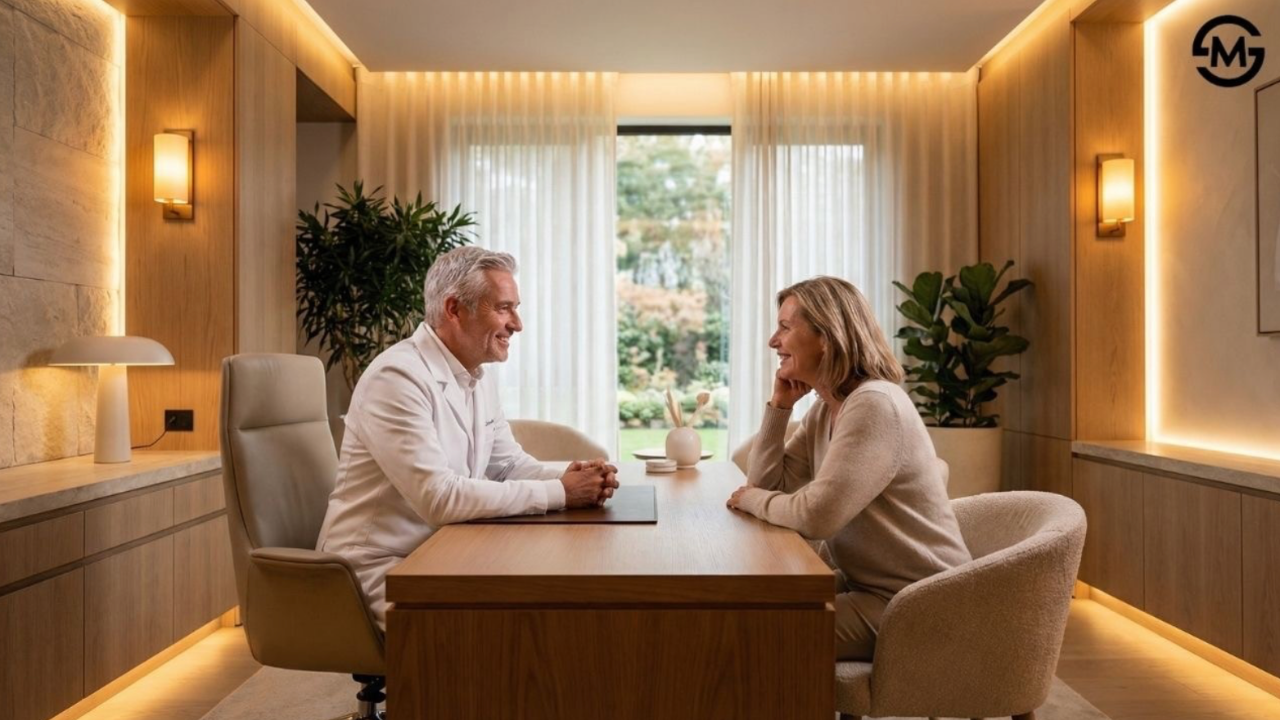
Let's break down the difference. A patient is a set of symptoms and a treatment plan. A person has a story, fears, and goals.
When you treat a patient, you focus on the procedure.
When you treat a person, you focus on the relationship.
This shift in perspective changes everything — from how you greet them in the reception area to how you present a complex implant case.
The advanced approach requires us to move from a paternalistic model — where we tell the patient what is best — to an interpretive model of shared decision-making.
It requires co-discovery. We must ask genuine questions, actively listen, and understand their "why" before we ever pick up a handpiece. What are their blockages to care? Is it financial, emotional, or a lack of trust?
Clinically, this means that hospitality and empathy are just as important as surgical precision.
It means recognizing that the first step to helping people heal is not a scalpel, but a connection. When we elevate our focus from the teeth to the person attached to them, we build a foundation of trust that no marketing campaign can replicate.
My philosophy is rooted in the idea that we are in the business of improving the quality of people's lives.
Dentistry is simply the vehicle we use to do it.
Excellence in clinical care is the baseline expectation; it is the human connection that creates a WOW experience.
Stop treating patients. Start treating people.
When you make this shift, you will find that your clinical outcomes improve, your team is more engaged, and your practice becomes a place of true healing.
Does your team know the difference between treating people and treating patients?