The Real Reason Your Patients Say No — And The Patient Testimonial Video System That Pushes My Case Acceptance Above 90%
May 27, 2026For the first half of my career, I made the same mistake most dentists make. When a patient declined treatment, I told myself it was a money problem. So I responded the way we are trained to respond: I explained the clinical necessity more thoroughly, I offered payment plans, I refined my case presentation. I got better at the pitch.
My acceptance rate barely moved.
It took me years to understand why. The problem was never the pitch. The problem was that I was trying to solve an emotional problem with a logical tool, and that never works.
The Real Barrier Is Never What Patients Say It Is
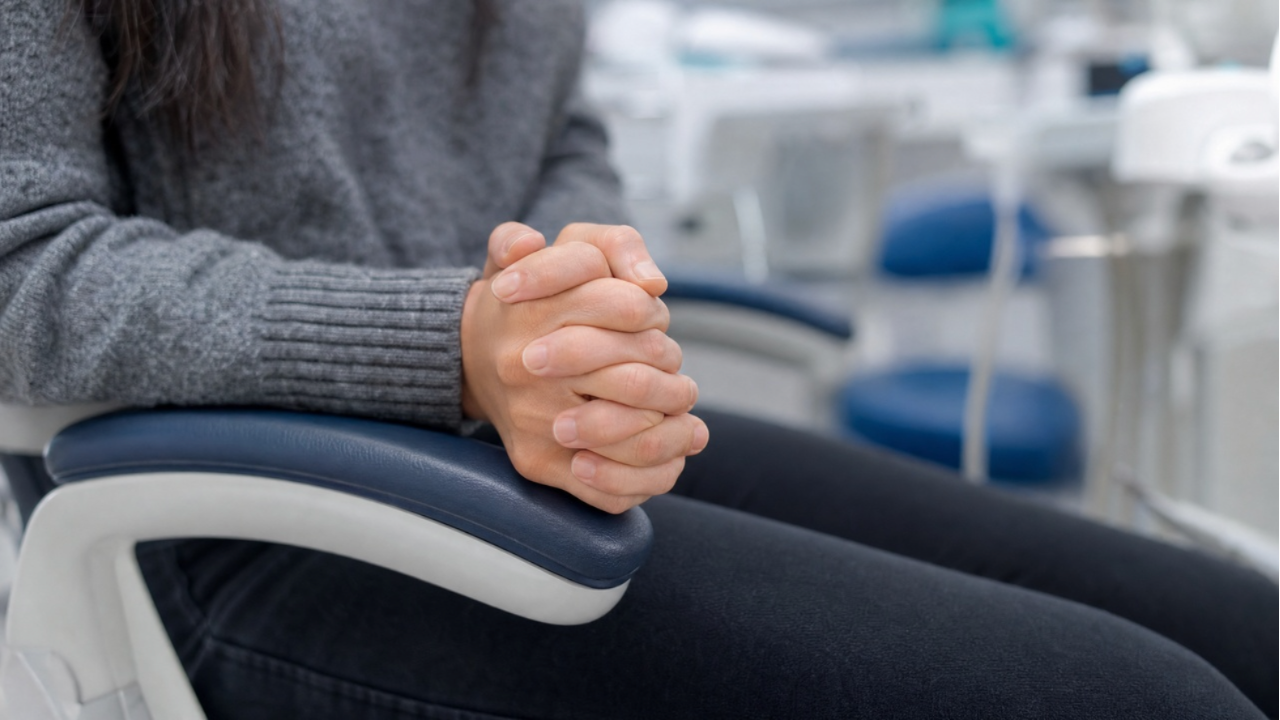
When a patient with severe periodontal disease or failing dentition sits in my chair and says, "I need to think about it" or "I can't afford it right now," they are almost never telling me the truth. Not because they are dishonest, but because the real barrier is too vulnerable to admit out loud to a near-stranger in a clinical setting.
What I have learned, after more than 30 years and thousands of patient consultations, is that the three actual barriers are fear of pain, fear of not being taken care of, and profound embarrassment. The embarrassment piece is one that I do not think our profession talks about nearly enough. I have had patients tell me — on camera, after treatment — that they refused to attend their own daughter's baby shower because they were terrified their teeth would fall out in public. I have had patients whose marriages were strained because they would not go out to dinner with their spouse. These are not people who lack the money or the desire for treatment. These are people who are paralyzed by shame.
And when we respond to that paralysis with a clinical explanation and a payment plan, we are speaking a language they cannot hear.
The Discovery: Letting Past Patients Do the Selling
The breakthrough came when I stopped asking myself, "How do I present this treatment better?" and started asking a completely different question: "Who has already been through exactly what this patient is facing, and can they speak to this patient directly?"
The answer was sitting in my own patient files.
Over 15 to 30 years of practice, I had treated hundreds of patients who had experienced the same fears, the same embarrassment, and the same reluctance — and had come out the other side with their lives genuinely transformed. I had an army of advocates. I just wasn't deploying them.
So I built a library. Today, I have over 200 short patient testimonial videos hosted on my website, and they are the single most powerful case acceptance tool in my practice. Each video is under 60 seconds. Each one features a real patient speaking directly to camera about their experience — not about the clinical procedure, but about their life before and after treatment.
When a new patient comes in who is fearful, embarrassed, or hesitant, I don't show them another x-ray. I say: "I want you to meet someone. His name is Danny. He had the exact same situation you have. Here is 60 seconds of what he has to say." And I point them to the specific video on my website that matches their demographic, their treatment type, and their emotional profile.
The results have been transformative. My case acceptance rate consistently runs above 90%.
How the System Works in Practice
There are a few principles that make this system work, and they are worth understanding in detail.
The viewing happens at home, not in the office. I never watch the video with the patient in the consultation room. That would feel like a sales presentation. Instead, I direct them to my website and tell them to watch it at home that evening — with their spouse or whoever is their primary decision-maker. The conversation that happens at home, between partners, after watching a peer share a genuine emotional story, is far more persuasive than anything I can say in the chair.
The videos are short and emotionally specific. Each video is under 60 seconds. The goal is not to explain the procedure. The goal is to capture the emotional before-and-after. What was life like before treatment? What is it like now? The most powerful testimonials I have are from patients who talk about the dreams they used to have — because one of the most common experiences among patients with severe periodontal disease is a recurring nightmare about their teeth falling out. When I mention this to a new patient and they look at me like I have read their mind, the trust that builds in that moment is instant and profound.
Getting patients on camera requires a system. The most common objection I hear from colleagues is that patients won't agree to be filmed. In my experience, 95% of patients will say yes when you ask correctly. We offer a meaningful incentive — a free electric toothbrush or a complimentary cleaning, valued at around $175 — beautifully wrapped, presented as a genuine thank-you for five minutes of their time. We have a small in-office studio setup where a dedicated team member handles the filming, adds music, and makes the patient feel like a guest rather than a subject. The experience itself becomes a positive touchpoint.
Curation is everything. The library only works because it is organized. When I have a new patient who is a 55-year-old woman embarrassed about her periodontal disease, I need to be able to point her to a video of a woman in a similar situation — not a 30-year-old man who needed implants. The more specifically you can match the new patient to a past patient, the more powerful the effect.
What This System Has Taught Me About My Patients
Building this video library did something I never anticipated: it educated me. Before I started filming testimonials, I thought I understood what my patients went through. I knew the clinical journey. What I did not know — what patients almost never share during the treatment process itself — was the depth of the emotional trauma they were carrying.
I learned about marriages that were suffering. I learned about social isolation, about years of refusing to smile in photographs, about the quiet devastation of not being able to eat a meal in public without anxiety. I learned that the work we do as dentists is not just clinical. It is, in many cases, genuinely life-changing in ways that go far beyond oral health.
That understanding changed how I practice. It changed how I speak to new patients. And it changed what I believe the purpose of a dental practice really is.
Where to Start
If you want to implement this in your practice, the starting point is simpler than you might think. You do not need 200 videos. You need five. Pick five patients — ideally across different demographics and treatment types — who you know had a meaningful transformation. Reach out to them. Offer a genuine thank-you gift. Film them for 60 seconds with your phone and a clean background. Put those five videos on your website. Then watch what happens the next time a hesitant patient comes in and you can say, "I want you to meet someone who was exactly where you are."
The library grows from there. And so does your acceptance rate.
Want Dr. Sonick to transform your team into patient experience champions?
Discover the proven "Showtime" methodology that has helped practices increase case acceptance by 25%, boost patient retention by 15%, and create teams that patients rave about. Dr. Sonick's exclusive training program teaches your entire team how to combine clinical excellence with hospitality-driven care that drives measurable results.
Ready to create your own culture of caring? Learn more:https://michaelsonick.com/course